Caspio Blog
Dive into the world of low-code development with the latest industry trends, inspirations and insights.

How AI Agents Are Changing How Software Gets Found and Bought
Somewhere right now, a buyer is asking an AI assistant to shortlist software in your category. The assistant reads everything, most of it written by people who are not you, then decides whether you exist. Software discovery is moving from search pages to AI...
10 Questions to Ask Before Connecting AI to Your Business Data
Before connecting any AI feature, assistant, or integration to business data, put three facts in writing: Who covers the processing, including whose agreement governs the AI path. What is retained, including prompts, uploads, files, and knowledge bases. Wha...
Add an AI Chat Agent to Your Existing Caspio App
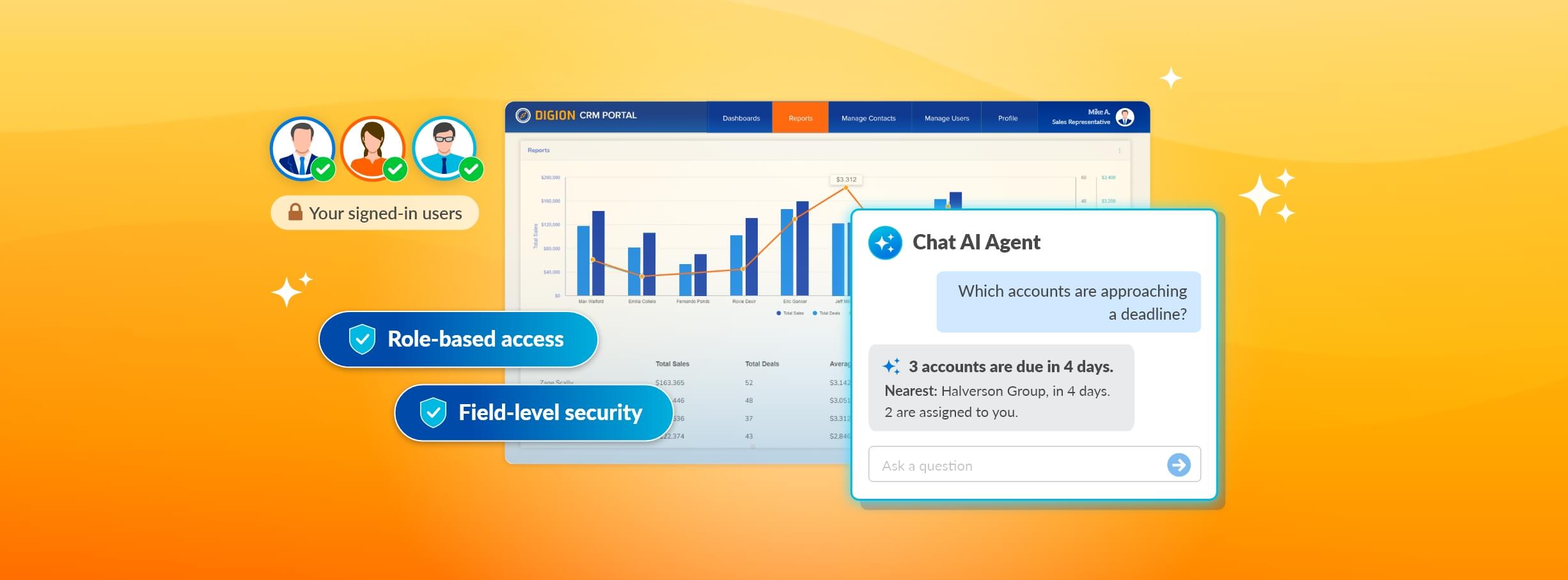
The Chat AI Agent, the first in Caspio's AI Agents category, adds a chat panel to your Caspio app so signed-in users can ask questions in plain language and get answers from app data. The agent only returns data allowed by the user's role and the fields you...
Build Internal Tools With AI: The Best Tools and the Governed Way to Do It (2026)
To build an internal tool with AI, you describe the workflow and data, let AI generate a working version, then refine it with roles and security before rollout. The platform choice comes down to three criteria: what the AI produces, how users are priced, an...

Vibe Coding vs. Low-Code: Key Differences and Where Caspio Fits in 2026
Vibe coding and low-code both promise working apps without hand-written code. The difference is what you own afterward. Vibe coding produces a code artifact you must secure, debug, and maintain yourself. A low-code platform runs your application inside a go...

Lovable Alternatives for Business and Regulated Apps (2026)
The best Lovable alternative for business or regulated apps offers a BAA at a published price and produces a governed app, not a code artifact. Judge every option on five criteria: output type, BAA availability, certification type, pricing model and user li...

Vibe Coding Governance: The IT Leader’s 2026 Checklist
What Is Vibe Coding Governance? Vibe coding governance is the set of controls an organization applies to AI-generated applications: who may build them, what data they may touch, how identity, access, and audit are enforced, and who owns each app after it sh...
Shadow AI Apps Are the New Shadow IT: A 2026 Guide for IT Leaders
Shadow AI apps are working applications that employees build with AI app builders and deploy outside IT's inventory. They differ from classic shadow IT in kind, not degree: shadow IT was unsanctioned software your company bought; a shadow AI app is unsancti...

Code Artifact vs. Governed Platform: The Two Architectures of AI-Built Software
Every AI app-building tool, whatever its marketing says, emits one of two things: a code artifact, meaning source code your team owns, hosts, patches, and secures from that day forward, or a governed platform app, an application born inside a platform's acc...

AI App Builders for Regulated Industries: The 2026 Buyer’s Guide
Build apps with AI. Pass the security review. Prompt-to-app tools can generate software faster than compliance teams can govern it, and many still cannot sign the paperwork a regulated buyer needs. This guide explains what security reviews actually demand f...
Recommended Articles

How AI Agents Buy Software, and Why Legibility Wins
READ STORY
10 Questions to Ask Before Connecting AI to Business Data
READ STORY
Add a Role-Aware AI Chat Agent to Your Caspio App
READ STORY
Build Internal Tools With AI: Best Tools for Business (2026)
READ STORY
Vibe Coding vs. Low-Code: Key Differences and Where Caspio Fits in 2026
READ STORY
Lovable Alternatives for Business and Regulated Apps (2026)
READ STORY
Vibe Coding Governance: The IT Leader’s 2026 Checklist
READ STORY
Shadow AI Apps Are the New Shadow IT: A 2026 Guide
READ STORY
Code Artifact vs. Governed Platform: The Two Architectures
READ STORY
AI App Builders for Regulated Industries: 2026 Buyer's Guide
READ STORY
Secure Alternatives to Vibe Coding for Business Apps (2026)
READ STORY
AI and No-Code: Generative AI in App Development
READ STORY
